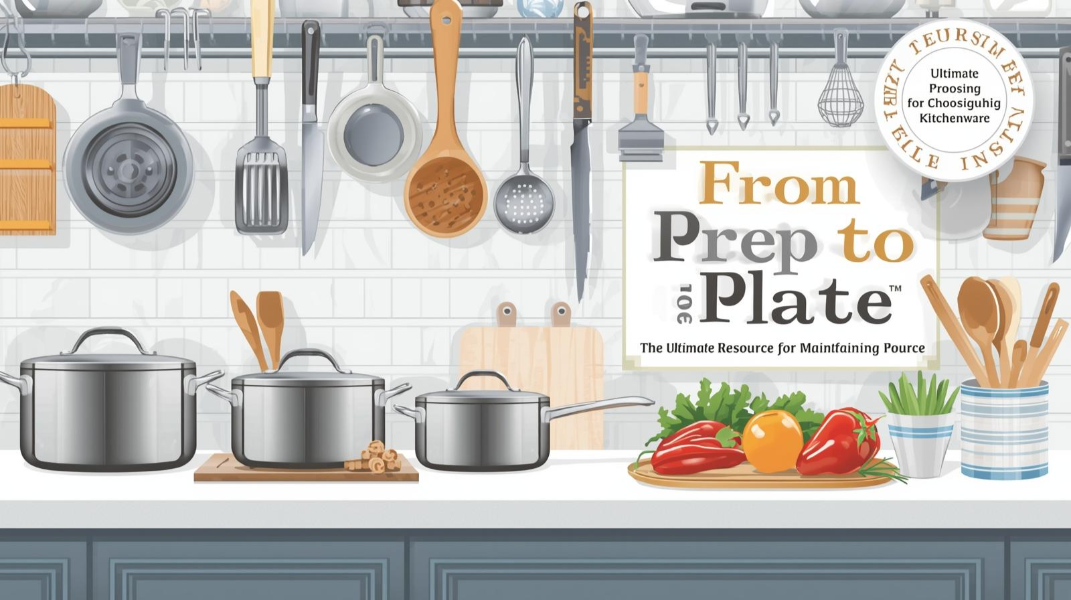
When it comes to cooking, the right kitchenware can make or break your culinary experience. Whether you’re an aspiring home chef or a seasoned cook, selecting quality tools is crucial. Not only do the right kitchen essentials streamline the cooking process, but they also ensure your meals are prepared efficiently and with the highest quality possible. This guide will walk you through how to choose, use, and maintain your kitchenware to take your cooking from prep to plate seamlessly.
Why Choosing the Right Kitchenware Matters
Enhancing Cooking Efficiency
Cooking can be a breeze—or a nightmare—depending on the tools you use. Have you ever tried to chop vegetables with a dull knife? Or scrambled eggs in a pan that sticks? It’s not only frustrating but also inefficient. The right kitchen tools, from sharp knives to non-stick pans, significantly improve your efficiency.
For example, using a high-quality chef’s knife will make chopping, dicing, and slicing a much quicker and smoother process. Similarly, non-stick cookware can prevent ingredients from sticking, making sautéing, frying, and even clean-up far easier. A well-organized kitchen with the right prep tools can help you avoid wasting time searching for items mid-cooking.
Impact on Meal Quality
Not all kitchenware is created equal. A high-quality pan will distribute heat more evenly than a cheap, thin one. This means your food is more likely to cook to perfection, whether you’re searing a steak or simmering a sauce. High-quality cookware helps you achieve consistent cooking results, enhancing flavor and texture.
Take, for instance, a good cast-iron skillet versus a cheap, non-stick pan. The cast iron’s ability to hold and evenly distribute heat creates a perfect crust on your food, while the cheaper non-stick pan might leave you with uneven results. The difference is evident in both taste and texture, making your meals not only more enjoyable but also more professional-looking.
Promoting Kitchen Safety
Safety is paramount in the kitchen, and the right tools can make a world of difference. Sharp knives are not only essential for ease of use but also for safety. A dull knife requires more force, increasing the likelihood of accidents. On the other hand, a sharp knife makes cutting tasks safer and more efficient.
Ergonomically designed kitchen tools, such as heat-resistant utensils and sturdy, comfortable handles on pots and pans, also promote safety. Tools that are easy to grip and maneuver reduce the chances of slips or burns, giving you peace of mind while you cook.
Essential Kitchenware for Every Cook: From Prep to Plate
Prep Tools: The Foundation of Cooking
A solid cooking foundation begins with the right prep tools. These items help you get your ingredients ready for cooking and ensure smooth, efficient work.
- Chef’s Knife: Often referred to as the most important tool in your kitchen, a sharp, reliable chef’s knife is essential for most prep tasks. From slicing vegetables to mincing garlic, a quality knife ensures precision and speed.
- Cutting Boards: You need the right surface to work on. While plastic cutting boards are easy to clean, wooden boards are gentle on knives. Bamboo is a sustainable, durable option, but it’s important to clean and maintain these boards regularly to avoid bacterial buildup.
- Measuring Tools: Accuracy is key, especially in baking. A set of reliable measuring cups and spoons ensures that your ingredients are precisely measured, whether you’re measuring liquids or dry ingredients.
- Mixing Bowls & Utensils: Versatile tools like stainless steel or glass mixing bowls are perfect for combining ingredients. Invest in a variety of sizes to handle everything from batter to salad.
Cookware: The Heart of Cooking
Once your ingredients are prepped, it’s time to cook! Your cookware plays a huge role in meal quality, as it affects everything from heat distribution to ease of cleanup.
- Pots and Pans: A set of quality pots and pans is essential for various cooking methods. Skillets, stockpots, and saucepans each have specific uses, and material matters—stainless steel provides durability, while cast iron excels at heat retention and non-stick pans offer easy cleanup.
- Bakeware: For those who love to bake, the right bakeware is a must. Good-quality baking sheets, cake pans, and muffin tins ensure your baked goods cook evenly and come out perfectly every time.
- Pressure Cookers & Slow Cookers: For quick, convenient meals, pressure cookers and slow cookers are invaluable. A pressure cooker can reduce cooking times for dishes like stews, while a slow cooker can let you set it and forget it, perfect for busy days.
Serving and Plating: Elevating the Meal
Your kitchenware doesn’t stop once the cooking is done. The right serving tools and plating techniques can elevate a simple meal into a restaurant-quality presentation.
- Plates, Bowls, and Serving Dishes: Choose dinnerware that complements your cooking style. You want sturdy, attractive pieces that can handle hot food without cracking, while also showcasing your culinary creations.
- Serving Utensils: Spoons, tongs, and ladles are essential for properly serving your food. Quality utensils make serving and portioning easier while preventing spills or accidents.
- Plating Techniques: While not strictly an essential kitchen tool, investing in tools like plating rings or squeeze bottles can help you plate like a pro. Plating is an art, and with the right tools, you can make even simple dishes look gourmet.
Choosing Kitchenware: Key Factors to Consider
Durability vs. Cost
When shopping for kitchenware, you may find yourself faced with the dilemma of choosing between budget-friendly options and pricier, long-lasting ones. While it’s tempting to opt for cheaper items, the durability of high-quality tools usually makes them a better investment in the long run.
For example, a well-made chef’s knife will last for years and provide consistent performance, whereas a cheap knife might require frequent replacements. The same goes for cookware: investing in a high-quality stainless steel pan will ensure even heat distribution and long-term durability, which is a better value than constantly replacing cheaper pans.
Material Matters: How to Choose the Right Material for Your Needs
The material of your kitchenware affects both its performance and longevity.
- Cookware Materials: Stainless steel is durable and resistant to corrosion, making it an excellent choice for daily use. Cast iron is ideal for slow cooking and retains heat well, but it requires proper seasoning and care. Non-stick pans offer easy cleanup but must be treated carefully to avoid damaging the coating. Copper provides fast and even heating but requires more maintenance.
- Cutting Board Materials: Each material has its pros and cons. Wooden cutting boards are gentle on knives but require more maintenance to keep them clean. Plastic boards are easy to clean but can become scratched over time, leading to potential bacteria buildup. Bamboo is sustainable and durable, though it may need occasional oiling to prevent cracking.
- Utensils and Gadgets: Silicone utensils are non-toxic, flexible, and heat-resistant, making them perfect for non-stick pans. Stainless steel is sturdy, versatile, and long-lasting, though it can be heavy.
Matching Kitchenware to Your Cooking Style
Your cooking style should heavily influence the kitchenware you invest in. For example, if you’re a baker, you’ll need mixing bowls, measuring cups, and a stand mixer. If you love grilling, you’ll want high-quality grilling tools and utensils. Whether you’re a beginner or an advanced cook, ensuring that your kitchenware matches your specific needs will lead to a more enjoyable and efficient cooking experience.
Maintaining Kitchenware: Tips for Longevity and Performance
Knife Maintenance: Sharpening and Storing
Regular sharpening is key to keeping your knives performing at their best. You can use manual sharpeners or take them to a professional sharpening service. Additionally, storing knives properly is essential to keep them from getting dull. A knife block or magnetic strip can keep your knives secure and prevent unnecessary damage.
Cookware Care: Cleaning, Seasoning, and Storing
Each type of cookware requires different care to maintain its longevity and performance:
- Cast Iron: Seasoning your cast-iron skillet helps build up a non-stick surface and prevents rust. Always hand wash and dry immediately to avoid moisture damage.
- Non-Stick Cookware: Avoid using abrasive sponges or metal utensils that can damage the non-stick coating. Hand wash with mild soap to extend the lifespan.
- Stainless Steel: Clean stainless steel with gentle scrubbing pads to remove any food residue. To maintain its shine, occasionally buff the pan with a stainless steel cleaner.
Proper Storage and Organization for Kitchenware
To ensure that your kitchenware lasts, it’s important to store it properly. Use organizers for your utensils, and stack pots and pans with care to avoid scratching or warping. A dedicated drawer for knives and a magnetic strip can help keep your tools in top shape.
Sustainable Kitchenware Choices: Eco-Friendly and Safe Alternatives
Non-Toxic and Eco-Friendly Cookware
Consumers today are increasingly conscious of the impact their kitchenware has on the environment. Non-toxic cookware like ceramic, stainless steel, and cast iron ensures that you’re not exposing your family to harmful chemicals. Many eco-conscious cooks are opting for bamboo utensils, glass storage containers, and recycled metals for their durability and minimal environmental footprint.
Zero-Waste Kitchen Tools
Sustainable kitchen tools are not only good for the environment but also for your wallet. Reusable silicone baking mats, compostable kitchen bags, and eco-friendly dish scrubbers are all smart choices for reducing waste and maintaining a more sustainable kitchen.
Specialized Kitchenware for Advanced Cooks
Essential Tools for Baking Enthusiasts
Bakers need specialized tools to achieve perfect results. Invest in a good stand mixer, rolling pins, pastry brushes, and baking stones. Items like tart pans, loaf pans, and cake molds will also elevate your baking.
Tools for Grilling and Outdoor Cooking
Grilling enthusiasts will benefit from high-quality grilling tools like tongs, meat thermometers, and brush sets. For indoor grilling, cast iron grill pans can give you that charred texture without the need for an outdoor grill.
Specialty Tools for Meal Prep
For quick and efficient meal prep, consider investing in a high-powered blender or food processor. These tools make chopping, slicing, and dicing faster and easier. Additionally, using portioned containers for meal storage ensures your food stays fresh and organized.
FAQ:
What’s the best type of cookware for beginners?
A non-stick skillet, a saucepan, and a stockpot are perfect for beginners. These three versatile pieces can cover most cooking tasks.
How often should I replace my kitchenware?
Knives should be sharpened regularly, and cookware should be replaced once they show signs of wear like cracks or warping.
Can I use my knives on a glass cutting board?
Glass cutting boards can dull your knives quickly. Opt for a wooden or bamboo board instead.
How do I know if a pan is high quality?
Check for material thickness, brand reputation, and weight. A high-quality pan should feel sturdy and heat evenly.
What’s the difference between cast iron and stainless steel cookware?
Cast iron excels at heat retention and slow cooking, while stainless steel is durable, resistant to corrosion, and easy to maintain.
Conclusion
Choosing and maintaining the right kitchenware is essential for both efficiency and meal quality. From the prep stage to plating your finished dish, the right tools can make cooking faster, safer, and more enjoyable. Invest in quality items, take care of them, and watch how they elevate your cooking experience. Happy cooking!