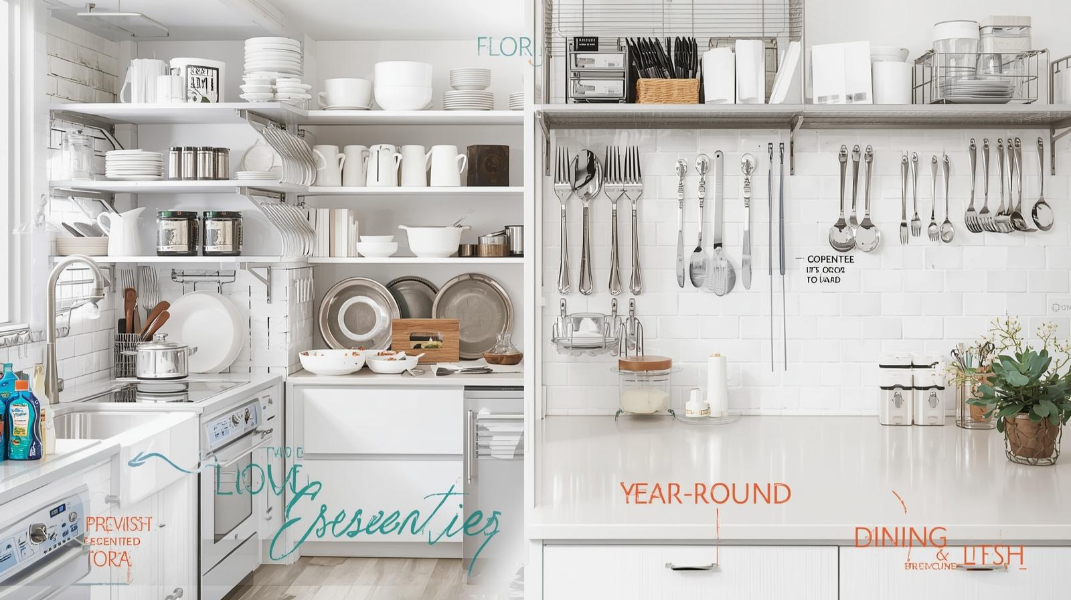
Your kitchen is the heart of your home. From preparing meals to hosting family gatherings, it plays a central role in daily life. But like any tool, your kitchenware and dining essentials need regular care to stay in top condition. Proper seasonal care can have a profound impact on their longevity, performance, and appearance, saving you time and money in the long run. Whether it’s your beloved cast iron skillet or your set of delicate wine glasses, each item requires specific attention as the seasons change.
In this post, we’ll dive into the importance of seasonal kitchen care and provide actionable tips to help you maintain your kitchenware and dining essentials year-round. By following these simple steps, you can ensure that your kitchen remains functional, organized, and ready for any occasion, all year long.
Understanding the Importance of Seasonal Kitchen Care
Why Seasonal Care Matters
Prevents Wear and Tear
All kitchen items, from your cutting board to your oven, endure a fair amount of wear and tear. Over time, improper care can lead to rust, cracks, stains, and a diminished lifespan. Seasonal care ensures that your kitchenware remains in excellent condition, preventing costly replacements.
Maintains Functionality and Appearance
Regular maintenance doesn’t just keep your kitchenware functioning well—it also keeps it looking good. A well-maintained kitchen enhances your cooking experience and creates an inviting atmosphere for guests. Whether it’s your gleaming stainless-steel pots or your sharp knives, keeping them in top shape improves their performance and your cooking efficiency.
Increases Lifespan
The lifespan of kitchenware and dining essentials is directly linked to how well you maintain them. By giving your cookware and utensils proper care based on the season, you can extend their lifespan significantly, making them more reliable and saving you money.
Common Kitchenware and Dining Essentials That Need Regular Care
- Cookware: Pots, pans, and knives are essential in any kitchen. Cast iron skillets, non-stick pans, and stainless-steel pots all require specific care to avoid damage and ensure they stay in prime working condition.
- Tableware: Plates, glasses, and utensils are often overlooked when it comes to maintenance, but they can accumulate grime, stains, or even rust over time. Regular cleaning and care are necessary to maintain their pristine look.
- Kitchen Gadgets and Small Appliances: Mixers, blenders, toasters, and other kitchen gadgets benefit from seasonal cleaning and proper maintenance to avoid malfunctions and extend their lifespan.
Spring Kitchen Care – Fresh Start for Your Kitchen
Spring is the perfect time for a fresh start. As the days get longer and the temperatures rise, it’s time to shake off the winter blues and give your kitchen a deep clean and refresh.
Cleaning and Refreshing Cookware
- Cast Iron Skillets: After a long winter of hearty stews and casseroles, it’s time to give your cast iron skillet a little love. First, scrub it with a stiff brush to remove any lingering food particles. Then, coat it with a thin layer of oil and heat it in the oven at 350°F for an hour to restore its seasoning.
- Stainless Steel Cookware: Stainless steel can lose its shine over time, but a little vinegar and baking soda can work wonders. Simply sprinkle baking soda on the surface, spray with vinegar, and scrub away with a soft cloth. Rinse and buff to restore the shine.
- Non-Stick Pans: Inspect your non-stick pans for any scratches or signs of coating wear. If your pan shows signs of damage, it may be time to replace it. For general maintenance, use wooden or silicone utensils to avoid scratching the surface and clean with a gentle sponge.
Revamping Dining Essentials
- Ceramic and Glass Dinnerware: Wash your plates, glasses, and serving dishes thoroughly to remove any food residue. Inspect them for cracks or chips—dinnerware with imperfections should be retired to prevent any accidents.
- Silverware: Silverware tends to tarnish over time, especially after months of use. A silver polish or a homemade paste (made with baking soda and water) can restore the shine. Make sure to polish each piece gently to avoid scratching.
Decluttering and Organizing Your Kitchen
Spring is also the time for a thorough clean-out. Go through your pantry, discard expired items, and check your kitchen tools for wear. Organize your drawers and cupboards for easy access to the items you use most often. A well-organized kitchen not only looks better but also functions more efficiently.
Summer Kitchen Care – Combatting Heat and Humidity
During the warmer months, your kitchen faces unique challenges—heat, humidity, and outdoor gatherings. It’s important to adjust your maintenance routine accordingly.
Maintaining Kitchenware in Hot Weather
Heat and humidity can wreak havoc on wooden kitchen tools like spoons, cutting boards, and utensils. These items can warp, crack, or become discolored. To combat this, store wooden items in a cool, dry place, and regularly apply mineral oil to keep them moisturized.
For cookware, make sure to store it away from direct sunlight or heat sources. This will help preserve its coating and prevent warping.
Proper Care for Outdoor Dining Essentials
Summer often means outdoor barbecues and dinner parties. BBQ tools, outdoor tableware, and furniture need specific care to withstand the elements. After each use, clean your BBQ tools thoroughly and store them in a dry place to prevent rust. For outdoor dining ware, ensure everything is stored in a covered area to protect it from rain and UV rays.
Summer Appliance Maintenance
In the heat of summer, your refrigerator and other appliances are working overtime. Keep your fridge clean and organized to ensure it runs efficiently. Clean the condenser coils, check for any blockages, and make sure the door seals are tight to prevent cool air from escaping.
For dishwashers and other appliances, please give them a monthly deep cleaning. Run a dishwasher cleaner cycle to prevent buildup and ensure proper functioning.
Fall Kitchen Care – Preparing for the Holidays
As the temperatures dip and the holidays approach, it’s time to prepare your kitchen for the busy season ahead.
Deep-Cleaning Your Kitchen Tools and Appliances
Autumn is the perfect time for a deep clean. Start by cleaning your stove, microwave, and oven. Make sure to clean the oven vents and replace any filters in your range hood. Check your refrigerator and pantry for expired items, and give your cabinets a thorough wipe-down.
Fall is also when you’ll likely be using your roasting pans and baking trays more frequently. Clean them well after each use and store them in a dry place to avoid rusting.
Restoring Dining Essentials for Fall Gatherings
As you prepare for holiday meals and gatherings, give your formal dining sets a quick check. Wash any fine china or glassware that hasn’t been used in a while. Polish silverware and check your serving dishes for chips or stains.
Preparing for Holiday Cooking and Entertaining
The holidays mean big meals and plenty of cooking. Ensure your kitchen is organized for easy access to all your tools. Check that your stand mixer, blender, and other gadgets are in working order. You don’t want to find out that your blender is broken while preparing a Thanksgiving smoothie!
Winter Kitchen Care – Protecting Your Gear from Cold Weather
Winter poses its own set of challenges for kitchenware, especially with freezing temperatures and dry air.
Protecting Kitchenware from Freezing Temperatures
Cold weather can be especially hard on materials like wood and cast iron. To protect your cast iron skillets, make sure they’re properly seasoned and stored in a dry, warm location. Avoid leaving them outside or in unheated areas like the garage.
For wooden utensils and cutting boards, apply a thin layer of mineral oil to prevent drying out.
Managing Dry Air and Its Impact on Kitchen Tools
The dry winter air can cause wooden kitchenware to crack. Use an oil treatment regularly to keep your utensils in top shape. Keep knives sharp and rust-free by storing them in a dry place and occasionally wiping them down with an oily cloth.
Winterizing Your Kitchen Appliances
Ensure that your stove, oven, and dishwasher are prepared for colder temperatures. Defrost your refrigerator regularly to keep it running efficiently. Also, check seals on your oven and dishwasher to avoid drafts.
General Kitchen Care Tips for Every Season
Routine Cleaning and Maintenance Tips
To keep your kitchenware in top condition year-round, perform regular cleaning and maintenance. Make sure to inspect tools for any signs of damage, whether it’s a chipped plate or a cracked wooden spoon. Keeping your kitchenware clean and in good repair will ensure it lasts for years.
Proper Storage Solutions for Long-Term Care
Proper storage is key to prolonging the life of your kitchen essentials. Store knives in a block or on a magnetic strip to keep the blades from dulling. Wooden items should be kept in a cool, dry place away from direct sunlight. Use cabinet organizers to prevent clutter and reduce the risk of items getting damaged.
Seasonal Swap-Outs: When to Rotate and Store Items
It’s essential to rotate seasonal cookware, like swapping out grills for roasting pans in the fall. You should also rotate your dining essentials—like your casual dinnerware for your more formal sets during the holidays—to preserve their freshness and avoid overuse.
FAQs
How do I prevent my wooden cutting board from cracking?
Regularly oil your cutting board with food-safe mineral oil to keep it hydrated and prevent cracking.
How often should I sharpen my kitchen knives?
It depends on use. Light-use knives need sharpening every 6-12 months, while heavy-use knives may need it more frequently. Regular honing can help maintain the edge.
What’s the best way to clean my non-stick cookware?
Use a soft sponge and avoid abrasive materials. Clean with warm water and mild soap, and dry thoroughly to avoid damage to the non-stick surface.
Can I store my kitchenware in the attic or basement during winter?
Avoid extreme temperature fluctuations, as they can warp or damage your cookware. Store your items in a cool, dry area that maintains consistent temperature.
How do I maintain my cast iron skillet for long-term use?
Clean with hot water and a stiff brush, and always season after use with a thin coat of oil to prevent rust and maintain its non-stick properties.
Conclusion
Taking care of your kitchenware and dining essentials is an investment that pays off. By following seasonal maintenance tips, you ensure that your kitchen stays functional, organized, and ready for whatever the year throws your way. From cleaning and restoring to proper storage and inspection, these tips will help you maintain your kitchenware in top shape for years to come.
Call to Action
What seasonal kitchen care tips do you swear by? Share your insights in the comments below! Don’t forget to subscribe to our newsletter for more home care advice and kitchen tips. Let’s keep those kitchens running smoothly, season after season!