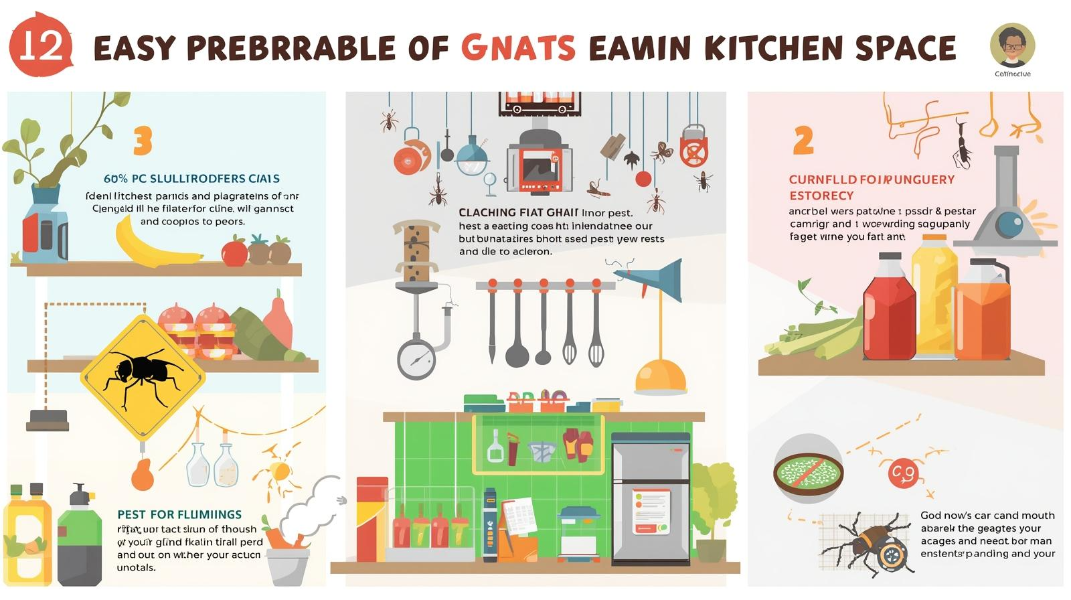
If you’ve ever found yourself swatting at little flying pests while prepping dinner, you’re not alone. Gnats in the kitchen are an all-too-common problem that can quickly escalate from a minor annoyance to a full-blown infestation. So, how can you get rid of gnats in the kitchen? Luckily, there are plenty of practical, DIY solutions to reclaim your space from these persistent pests.
But first, let’s explore why gnats are drawn to your kitchen, how you can identify an infestation, and what you can do to get rid of them—without turning to harmful chemicals. By the end of this post, you’ll have all the tools and knowledge you need to restore Kitchenware and Dining Essentials peace to your kitchen!
Understanding the Gnat Problem in Your Kitchen
What Are Gnats and Why Do They Infest Kitchens?
Gnats are tiny flying insects that typically thrive in damp, decaying environments. While most people think of them as just a nuisance, gnats are attracted to specific conditions that can often be found in your kitchen. In fact, several different types of gnats might make your kitchen their home:
- Fruit Flies: These are the most common type of kitchen gnat. They love fermenting fruit, vegetables, and sugary substances. You’ll often find them buzzing around your counter, particularly near ripe fruit or food scraps.
- Drain Flies: These gnats are drawn to organic matter that builds up in drains, garbage disposals, and septic tanks. They can often be found flying around sink drains, making them a sneaky kitchen invader.
- Fungus Gnats: These tiny gnats are attracted to damp soil in houseplants. If you have indoor plants, you may notice these pests hovering around the soil.
Why are they so drawn to the kitchen? Kitchens offer plenty of food sources (ripe fruits, food spills) and damp areas (sinks, drains) that create the ideal environment for gnats to breed and thrive.
How to Identify a Gnat Infestation in the Kitchen
It’s important to catch a gnat problem early before it spirals out of control. Look out for these signs:
- Small Flying Insects: Gnats are often visible around food items, trash, and drains. If you notice tiny black flying bugs, you’ve probably got an infestation.
- Presence Around Food: If you have fruit sitting on the counter or open packages of food, gnats are likely to swarm.
- Gnats Around Drains: If you see gnats hanging around your sink or trash can, they may be breeding in the moist environment of your drain or garbage.
Common Hiding Spots:
- Sink drains
- Trash bins and recycling
- Fruit bowls or exposed food
How to Get Rid of Gnats in the Kitchen Naturally
Now that you know what you’re dealing with, let’s explore some natural ways to eliminate those pesky gnats from your kitchen.
Keeping the Kitchen Clean: The First Step
The first and most effective step in getting rid of gnats is cleaning. Gnats thrive on food scraps, spills, and moisture, so a clean kitchen is your best defense. Here’s how you can start:
- Wipe down countertops and clean up food debris immediately.
- Clean sinks and drains regularly to prevent gnats from breeding.
- Take out the trash daily and avoid leaving food scraps in trash bins overnight.
- Store food properly—use airtight containers or refrigerate perishable items.
The cleaner your kitchen, the less attractive it will be to gnats.
Using DIY Traps to Eliminate Gnats
There are several simple, non-toxic traps that you can set up to catch gnats in your kitchen. Here are a few popular ones:
- Apple Cider Vinegar Trap:
- Pour a small amount of apple cider vinegar into a jar or bowl.
- Add a few drops of dish soap to break the surface tension.
- Cover with plastic wrap and poke small holes in the top.
- The gnats will be attracted to the vinegar, get trapped in the jar, and drown.
- Sugar and Soap Trap:
- Mix water, sugar, and dish soap in a small bowl.
- The sweet smell attracts the gnats, and the soap traps them in the liquid.
- Wine Trap:
- Pour leftover wine into a bowl (the stronger the scent, the better).
- Leave it out overnight—gnats love the fermentation smell and will dive right in.
These traps are simple, inexpensive, and highly effective.
Cleaning Drains to Remove Gnat Breeding Grounds
If your gnats are coming from the drain, you’ll need to clean the buildup in your pipes. Here’s a simple DIY method to clean your drains:
- Pour baking soda down the drain.
- Add a cup of white vinegar and let it fizz for 10-15 minutes.
- Rinse with hot water to flush out any organic matter that may be attracting gnats.
This method works wonders to break down grease, food particles, and other gnat-friendly debris that may be lingering in your pipes.
Chemical Solutions for Getting Rid of Gnats in the Kitchen
Sometimes, natural methods just aren’t enough. If you have a significant infestation, you may want to consider using chemical treatments. However, be cautious, especially in a food preparation area like the kitchen.
When to Consider Pesticides or Commercial Gnat Killers
Commercial pesticides and gnat sprays can help, but they should be used as a last resort. Here’s when it might be necessary to reach for chemicals:
- Large Infestations: If DIY methods don’t make a dent, it might be time to bring out the big guns.
- Persistent Gnats: If your kitchen continues to attract gnats despite cleaning and traps, professional-grade solutions may be needed.
How to Safely Apply Chemical Solutions in the Kitchen
If you decide to go the chemical route, make sure to follow these safety tips:
- Use kitchen-safe products: Look for pest control solutions that are specifically labeled safe for kitchens and food contact surfaces.
- Ventilate the area: Open windows and use a fan to ensure proper airflow when spraying.
- Clean thoroughly after use: Wipe down all surfaces, especially where food is prepared, to avoid contamination.
Preventing Future Gnat Infestations in the Kitchen
Once you’ve gotten rid of the gnats, you’ll want to prevent them from coming back. These simple preventive measures will keep your kitchen gnat-free for good.
Regular Kitchen Maintenance to Keep Gnats Away
- Clean up spills immediately: Don’t leave fruit juices, food spills, or crumbs for long.
- Empty trash cans regularly: Keep food scraps out of your bins.
- Check for leaks: Make sure there are no moisture sources that could attract gnats.
How to Store Food to Prevent Gnat Attraction
Gnats are attracted to overripe fruit, exposed sugary foods, and trash. To keep them away:
- Refrigerate fruit and veggies that ripen quickly.
- Use airtight containers for storing dry foods like cereals, grains, and sweets.
- Don’t leave food out overnight, especially in humid conditions.
Installing Screens and Other Preventive Measures
- Install window and door screens to keep gnats from entering the kitchen.
- Ensure proper ventilation: A well-ventilated kitchen discourages gnats from lingering around.
Common Mistakes to Avoid When Dealing with Kitchen Gnats
It’s easy to make mistakes when trying to get rid of gnats. Here are a few things you’ll want to avoid:
Overusing Chemical Solutions
While chemical solutions can be effective, they should not be your first line of defense. Over-relying on pesticides can lead to more problems, such as chemical buildup in your kitchen and resistance in gnat populations.
Ignoring the Source of the Infestation
Make sure you’re identifying and eliminating the source. If you have a drain problem or a neglected trash can, cleaning and sealing those areas will prevent new gnats from appearing.
Failing to Keep the Kitchen Clean
Gnats love food scraps and dirty sinks. Even after getting rid of the initial infestation, ongoing cleanliness is essential to keep gnats from returning.
FAQ
How long does it take to get rid of gnats in the kitchen?
- Natural Methods: If you’re using DIY traps and cleaning, you should start seeing results in a few days to a week.
- Chemical Methods: Pesticides and commercial products can eliminate gnats more quickly, but always follow up with cleaning to prevent future infestations.
Can gnats be dangerous in the kitchen?
Gnats are generally harmless, but they can spread bacteria, especially when they breed around food waste or drains. It’s important to deal with the problem quickly to avoid contamination.
Are there any natural repellents for gnats in the kitchen?
Yes! Essential oils like eucalyptus, peppermint, and lemongrass are natural gnat repellents. You can use them in a diffuser or mix them with water and spray around the kitchen.
What should I do if the gnat problem is severe?
If you have a major infestation and DIY methods aren’t working, consider calling a professional pest control service. They can locate and treat the breeding sites more effectively.
How can I prevent gnats from coming back?
Regular kitchen cleaning, proper food storage, and sealing potential entry points (like windows and doors) will keep gnats from returning.
Conclusion
Gnats in the kitchen can be a huge nuisance, but with the right strategies, you can easily get rid of them and keep your kitchen clean and fresh. Whether you prefer natural remedies or need to reach for chemical solutions, it’s possible to tackle the problem head-on. Remember, regular maintenance is key to keeping gnats from coming back. So, start today—clean up those spills, set up a few traps, and soon, your kitchen will be gnat-free!