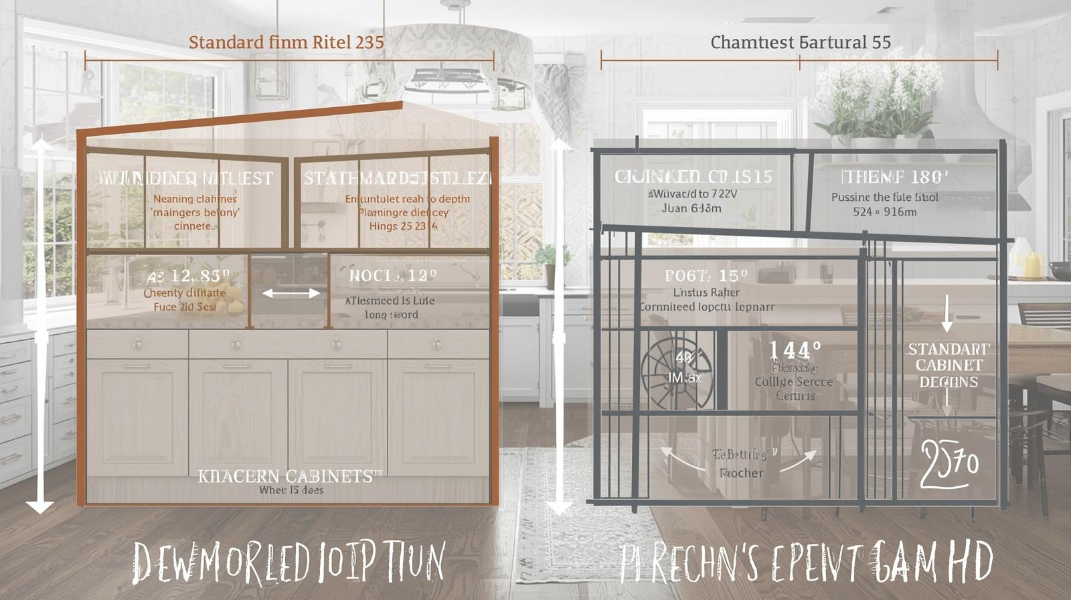
Are your kitchen cabinets deep enough for your storage needs? Whether you’re remodeling or just rethinking your kitchen organization, finding the right cabinet depth is crucial for both aesthetics and functionality. The depth of your kitchen cabinets plays a significant role in maximizing space, ensuring your kitchen tools and appliances fit, and keeping everything organized. So, how deep are kitchen cabinets? Let’s dive into this question and explore Maximizing Kitchen Space everything you need to know to optimize your kitchen’s storage.
Understanding Kitchen Cabinet Depths
Standard Kitchen Cabinet Depths
When it comes to kitchen cabinets, the depth can vary depending on the type and layout of the cabinets. However, there are standard measurements you should be aware of to ensure your cabinets fit properly and meet your needs.
- Base Cabinets: The standard depth for base cabinets is 24 inches. This depth is measured from the back wall to the front edge of the cabinet. The interior depth of base cabinets is also typically 24 inches, which gives you ample room to store larger kitchen items, such as pots, pans, and appliances.
- Upper Cabinets: The depth for upper cabinets is generally 12 inches, designed to hold dishes, glassware, and smaller kitchen tools. This depth is perfect for easy access and prevents items from becoming too crowded.
These standard depths help in ensuring that your kitchen is both functional and comfortable to navigate. However, depending on your kitchen’s layout or specific storage needs, you may want to customize the depth of your cabinets.
Why Kitchen Cabinet Depth Matters
The depth of your kitchen cabinets has a significant impact on various aspects of your kitchen, including:
- Storage Space: The deeper the cabinet, the more room it offers for storing your kitchen essentials. Whether you’re storing large pots, pantry items, or small appliances, the right cabinet depth ensures you have enough space.
- Ease of Access: Depth affects how easily you can reach items at the back of your cabinets. Too deep, and you might have trouble reaching what’s stored in the back. Too shallow, and you might find yourself cramming items in, making organization difficult.
- Design Balance: The depth of your cabinets can also affect the overall aesthetic of your kitchen. A balanced depth creates a harmonious look, ensuring your cabinets don’t appear too bulky or too shallow.
Factors that Influence Cabinet Depth
Several factors come into play when determining the ideal depth for your kitchen cabinets. These factors influence how you design, customize, and organize your space:
- Customization Options: Cabinets come in different depths depending on the design and function. You can opt for deeper cabinets to store larger items or shallower cabinets for easier access and organization.
- Standard vs. Customized Depth: While standard depths are the most common, custom cabinetry can be a great choice if you need specific storage solutions or have unique space requirements.
How to Measure Kitchen Cabinet Depth
Before diving into installation or redesigning your cabinets, it’s crucial to measure the depth accurately. Here’s how to do it:
Tools You’ll Need for Measuring
- Tape Measure or Ruler: To measure the depth from the back wall to the front edge of the cabinet.
- Notepad or Smartphone: For recording measurements, ensuring accuracy as you measure.
Steps to Measure Your Cabinet Depth
- Measure from the Back Wall: Start from the back of the cabinet, measuring all the way to the front edge. This gives you the full depth of the cabinet.
- Interior vs. Exterior Depth: It’s important to measure both the interior (usable space inside the cabinet) and the exterior depth (outer dimensions).
- Base vs. Upper Cabinets: The depth of base cabinets will be deeper than upper cabinets, so be sure to measure both separately.
Measuring your kitchen cabinets correctly ensures that the cabinetry you choose fits your space and storage requirements.
Different Types of Kitchen Cabinet Depth
Kitchen cabinets are designed with various depths to cater to different types of storage needs. Here’s a breakdown of common cabinet types and their respective depths:
Base Cabinet Depth
- Standard Depth (24 inches): This is the most common depth for base cabinets and provides ample storage space for large pots, pans, and other bulky items. A standard base cabinet depth is perfect for maximizing storage while ensuring ease of access.
- Shallow Base Cabinets: In smaller kitchens or spaces with limited depth, shallow base cabinets (18–21 inches deep) are often used. They offer less storage capacity but can still fit smaller items like pans or kitchen gadgets.
- Deeper Base Cabinets: Custom base cabinets with greater depth (30 inches or more) are great for those who need to store oversized items such as large pots, casserole dishes, and heavy-duty appliances.
Upper Cabinet Depth
- Standard Depth (12 inches): The depth of upper cabinets is typically 12 inches. This size is ideal for holding dishes, glasses, and smaller kitchen essentials. It provides a functional solution while keeping items easily accessible.
- Custom Upper Cabinets: Some kitchens may benefit from deeper upper cabinets, especially if you need extra storage for larger items. Extending the depth of upper cabinets can provide more space for storage, but it may interfere with counter space or sight lines.
Pantry Cabinet Depth
- Deeper Pantry Cabinets: If you have a larger pantry and store bulkier items like canned goods, flour, or grains, you may want deeper pantry cabinets. A depth of 24 inches is typical for pantry storage, allowing for easy access to larger items and better organization.
- Shallower Pantry Cabinets: For smaller pantries or easier access to everyday items, shallower pantry cabinets (12–18 inches deep) can work well. These provide better visibility and access but may require more shelving for the same storage capacity.
Pros and Cons of Different Kitchen Cabinet Depths
When choosing the depth of your kitchen cabinets, there are several benefits and challenges to consider. Let’s take a closer look:
Pros of Standard Depth Cabinets (24 inches base, 12 inches upper)
- Balance Between Storage and Accessibility: Standard-depth cabinets provide a good balance, offering enough storage without making it too difficult to access items at the back.
- Compatibility with Most Kitchen Layouts: Standard cabinet depths are designed to fit most kitchen layouts and appliances, making them a safe and reliable choice.
Pros of Deeper Cabinets
- Increased Storage Capacity: Deeper cabinets allow for more storage space, which is perfect for those with larger kitchenware or bulkier items.
- Enhanced Organization: With more depth, custom cabinetry can create specific sections for better organization, making it easier to separate different kitchen items.
Pros of Shallower Cabinets
- Better for Smaller Kitchens: Shallower cabinets work well in compact kitchens, ensuring you don’t overwhelm the space with bulky storage.
- Easier Access: Shallow cabinets allow for easier access to frequently used items, especially in upper cabinets, making them more functional for everyday use.
Cons of Deeper Cabinets
- Difficult Access to Back Items: With more depth, reaching items at the back can be cumbersome, leading to disorganization.
- Space Limitations in Smaller Kitchens: Deeper cabinets can make a small kitchen feel cramped, disrupting traffic flow and accessibility.
Cons of Shallower Cabinets
- Limited Storage Capacity: Shallow cabinets can’t store as many items, which might lead to overcrowding and the need for additional storage solutions.
- More Cabinets Needed: In order to accommodate the same amount of items as deeper cabinets, you may need more cabinets, which can take up more wall or floor space.
Choosing the Right Cabinet Depth for Your Kitchen
Selecting the right cabinet depth depends on your kitchen’s size, layout, and personal storage needs. Here are a few factors to keep in mind when deciding:
How to Choose Depth Based on Kitchen Size
- Small Kitchens: Shallower cabinets or custom depths can help optimize small spaces without overcrowding. A depth of 18–21 inches for base cabinets works well in a small kitchen.
- Large Kitchens: Larger kitchens can accommodate deeper cabinets (24 inches or more for base cabinets), providing ample storage without impacting the kitchen flow.
How Cabinet Depth Affects Kitchen Functionality
- Alignment with Workflow: Consider how your kitchen works. If you’re cooking often and need quick access to utensils, deeper cabinets might make things more difficult. On the other hand, shallow cabinets can make retrieving frequently used items easier.
Custom Depth Options for Unique Needs
- Appliance Size: If you have large kitchen appliances like a double oven or oversized refrigerator, you may want to customize your cabinet depth to match.
- Accessibility Considerations: Adjusting cabinet depth for accessibility can help make your kitchen more ergonomic, especially for those with mobility challenges.
Common Kitchen Cabinet Depth Mistakes to Avoid
Even with all the information available, there are common pitfalls that can be avoided during the planning and installation process:
Choosing Depth Without Considering Workflow
Your kitchen’s functionality is just as important as aesthetics. Be sure to select cabinet depths that align with how you use your kitchen.
Not Accounting for Appliance Sizes
Failure to consider the size of your appliances when determining cabinet depth can lead to wasted space or difficulty fitting large appliances.
Overlooking Storage Capacity
Shallow cabinets may look aesthetically pleasing but require more cabinets for the same amount of storage, which can take up more space and create a cluttered look.
Ignoring the Balance Between Aesthetics and Function
While it’s tempting to choose cabinets based on looks alone, always ensure that your choices also fit the practical needs of your kitchen.
FAQ :
What is the standard depth for kitchen base cabinets?
The standard depth for base cabinets is typically 24 inches.
Can I make my kitchen cabinets deeper?
Yes, you can opt for custom cabinet depth options for more storage.
How deep should upper cabinets be?
The standard depth for upper cabinets is 12 inches, but deeper options are available based on needs.
Do deeper cabinets make kitchen work easier?
Deeper cabinets provide more storage space, but accessing items at the back can be more difficult.
How do I measure kitchen cabinet depth properly?
Measure from the back wall to the front of the cabinet, considering both interior and exterior measurements.
Conclusion
In summary, choosing the right depth for your kitchen cabinets is an essential part of kitchen design. Whether you’re opting for standard or customized depths, the goal is to balance storage, accessibility, and aesthetics. Understanding cabinet depths allows you to create a kitchen that’s not only functional but also aligned with your personal needs. So, when considering your next kitchen upgrade, take the time to measure, plan, and choose the depth that best suits your space and lifestyle.